
Why This Matters
September is National Suicide Awareness and Prevention Month. Yet suicide is not only a health issue. It is a workplace issue, a leadership issue, and a culture issue.
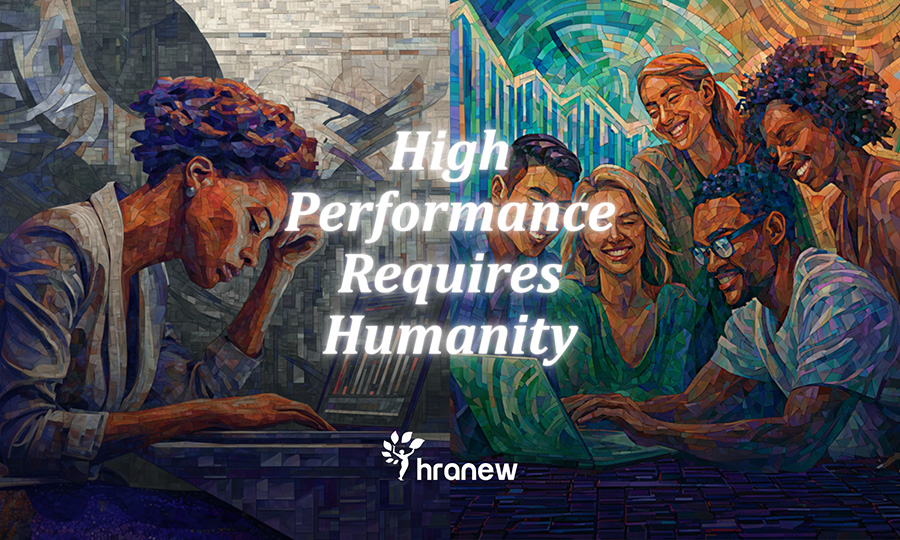
Employers must strive for high performance because, without it, organizations cannot achieve their mission and goals. Client experience, profitability, technical expertise and performance, and professional growth and transformation all depend on a workforce that is emotionally engaged, supported, and whole. When employees’ mindsets and hearts are disengaged, stressed, distracted, or silently carrying despair, they cannot give their best. When the team is not aligned with the organizational culture, this too can create stress and prevent an atmosphere for high performance. Worse, the silence around suicide leaves too many without hope.
According to the Centers for Disease Control and Prevention, more than 49,000 Americans died by suicide in 2023, and more than 1.5 million people attempted suicide. This is the highest number ever recorded. Suicide is now the 11th leading cause of death in the United States (Centers for Disease Control and Prevention, 2024). The impact touches every workplace, whether acknowledged or not.
Employers, leaders, HR professionals, teams, and community engagement organizations all have the power to change this reality. By treating suicide awareness and prevention as a forgotten KPI, we can build workplaces that save lives while also driving profitability, peace, and purpose.
“The forgotten KPI is not charity. Humanity is a business necessity that sustains performance.”
— Deborah Stallings
My Story
I grew up poor in public housing in Chicago. At the age of seven, I went to live on my grandparents’ farm in Liberty, Mississippi. My childhood was filled with responsibility far beyond my years. I helped care for my loving, strong, and courageous mother, who was paralyzed after brain surgery. Later, I lost my father to violence when I was sixteen.
These experiences shaped me. They taught me resilience, responsibility, and the weight of despair. However, this experience did not leave me untarnished. Lack of confidence and low self-esteem followed, and I had to learn to be bold, brave, strong, and unstoppable, no matter what the naysayers and blockers. I also learned about the power of purpose, faith, and people who genuinely cared. Pastors, mentors, leaders, loving friends and family, and go-giver communities reminded me I was seen, valued, belonged, and not alone. Those lessons continue to guide me today. This is why I believe workplaces are not only places of productivity. They are places where lives can be strengthened and sometimes saved.
The Workplace Reality
Workplaces cannot afford to separate humanity from performance. The numbers are sobering:
The American Psychological Association reports that over 80 percent (80%) of employees’ experience workplace stress, and 60 percent (60%) say it negatively impacts their performance (American Psychological Association, n.d.). With the pressures of living, social media, and other factors, many generations are seeking to find their way.
Gallup research shows that only 21 percent (21%) of employees are engaged globally. Nearly 60 percent (60%) are emotionally detached, which not only lowers performance but also increases vulnerability to despair (Gallup, 2020).
Research says mental illness affects one in five adults every year, yet less than half receive treatment (American Psychological Association, n.d.). My estimation is that every human likely has some impact on the way our brains may be functioning from time to time. We just have not been diagnosed. I love Dr. Daniel Amen’s book about Change Your Brain Every Day. In his book, Dr. Amen discusses daily habits to help us improve our brain and mindset, boost our memory, get healthier, be happier, and better connect with and love others. I love this.
Employers often say people are their greatest asset. Yet too many cultures fail to provide safety, belonging, and purpose. This misalignment erodes trust, undermines performance, and can contribute to life and death consequences.
The Role of Community and Engagement Organizations
Employers do not need to carry the full weight of prevention alone. Community engagement organizations, including nonprofits, public health advocates, and local faith-based organizations, provide counseling, education, and peer support groups that workplaces can connect with. By collaborating with these organizations, employers can strengthen the safety net for employees, reduce stigma, and ensure that suicide awareness extends beyond the office walls (National Center for Biotechnology Information, 2021).
The Importance of Happiness in the Workplace
Happiness in the workplace is not a luxury. It is a necessity for performance, retention, and resilience. When people are happy, they are more engaged, creative, and committed. Happiness fuels better client experiences and drives profitability.
Employers can foster happiness by celebrating progress, meaningfully recognizing employees, supporting balance, and creating moments of connection and joy. Happiness does not erase challenges, but it provides energy and hope that allows people to overcome them together (WebMD Health Services, 2023).
Aligning Culture with Mission, Vision, and Purpose
Culture is the lived expression of a company’s mission, vision, and purpose. When those are aligned, employees know not only what they are working on but also why it matters. When they are misaligned, even the best stated values ring hollow. Employees may hear words like respect and empathy, but experience indifference, stress, or disengagement.
A high-performing organization must ensure its culture is consistent with its mission and vision every day. That requires leaders to be deep listeners, observers, and have wise discernment to create alignment between values and daily behaviors, policies, and decisions. When culture reflects mission and vision, organizations can achieve both profitability and peace.
What Employers Can Do
Employers hold the power to shape a culture that either prevents despair or fuels it. Policies alone are not enough. Action must demonstrate that well-being is as important as performance. Sometimes, this means handling it before it hurts and addressing a hard truth that someone may not be the best fit for the company. Employers who prioritize humanity create loyalty, innovation, and resilience.
- Provide confidential access to Employee Assistance Programs and mental health resources.
- Integrate and insist on wellness days or sabbaticals into leave policies for high performers and producers to signal that rest and well-being are priorities.
- Track well-being and engagement just as rigorously as financial results. What gets measured gets managed.
- Reward leaders who model empathy, peace, wellness, and equity alongside high performance and productivity.
What Leaders Can Do
Leaders are the carriers of culture. Their actions, words, and presence either create environments of trust or reinforce fear and silence. Leadership in suicide awareness prevention means balancing high expectations with humanity, profitability with peace, and authority with mentorship.
- Practice peace and patience, especially in moments of stress.
- Mentor intentionally, showing employees they are valued as people, not just performers.
- Share struggles when appropriate to normalize vulnerability and build trust.
- Prioritize emotional engagement, knowing that engaged employees are more resilient, healthier, and more productive (Gallup, 2020).
What HR Can Do
Human Resources is uniquely positioned at the intersection of business performance and team member well-being. HR professionals must ensure performance, policies, processes, and practices support humanity as much as compliance. They can champion inclusion and equity while giving leaders the tools to recognize distress and respond with care.
- Create policies that are both compliant and compassionate.
- Train managers to recognize warning signs of distress and respond with care.
- Use surveys and listening sessions to identify team member needs before they reach a crisis.
- Drive accountability for culture as much as for revenue.
- Ensure that systems for performance management emphasize both productivity and well-being.
What Employees and Teams Can Do
While leadership and HR carry significant responsibility, employees and teams also play a vital role in prevention. Culture is not created by leaders alone. It is built into every meeting, every conversation, and every act of care among colleagues.
- Check in with colleagues and ask directly if they are okay.
- Replace gossip with solutions and create spaces of peace in team interactions.
- Be confident, prepare, and engage early for essential conversations with a goal for positive outcomes.
- Hold one another accountable for behaviors that erode trust.
- Celebrate not only wins but also resilience and humanity.
Creating a Culture of Peace and Accountability
A culture of peace is not passive. It is active, intentional, and directly tied to performance. It requires balancing empathy with accountability, compassion with clarity, and patience with purpose. When these values guide daily decisions, employees thrive, and organizations achieve their mission.
“I have learned that people will forget what you said, people will forget what you did, but people will never forget how you made them feel.” — Maya Angelou
The cornerstones of such a culture include:
- Peace: Calm is a core leadership value.
- Patience: Purpose must always outweigh urgency.
- Empathy: Employees are whole people with families, challenges, and dreams.
- Accountability: Leaders are responsible for culture, not just outcomes.
- Equity: Opportunities and resources must be distributed thoughtfully and fairly, recognizing that fairness is not sameness.
Final Word: Intention and Hope
This National Suicide Awareness and Prevention Month, we must choose to have workplaces where no one feels unseen, unheard, or invalidated. We must measure success by mission accomplishment, by revenue, and by resilience. We must align culture with mission, vision, and purpose so that employees thrive and organizations prosper.
If you are struggling, know this, you are not alone. If you are leading, know this, your influence can save lives.
Together, we can create workplaces that are profitable, peaceful, purpose-driven, and unforgettable because they are unshakably human.
References
American Psychological Association. (n.d.). Improve employee mental health. American Psychological Association. https://www.apa.org/topics/healthy-workplaces/improve-employee-mental-health
Centers for Disease Control and Prevention. (2024, May 9). Facts about suicide. Centers for Disease Control and Prevention. https://www.cdc.gov/suicide/facts/index.html
ClearCompany. (2021, May 20). How Maslow’s hierarchy of needs applies to employee engagement. ClearCompany. https://blog.clearcompany.com/how-maslows-hierarchy-of-needs-applies-to-employee-engagement
Gallup. (2020, February 4). How to improve employee engagement in the workplace. Gallup. https://www.gallup.com/workplace/285674/improve-employee-engagement-workplace.aspx
National Center for Biotechnology Information. (2021, November 23). Suicide prevention in the workplace: A narrative review. Frontiers in Public Health, 9, 679397. https://pmc.ncbi.nlm.nih.gov/articles/PMC8631150/
WebMD Health Services. (2023, September 5). 5 ways to increase emotional engagement in your organization. WebMD Health Services. https://www.webmdhealthservices.com/blog/5-ways-to-increase-emotional-engagement-in-your-organization
About Deborah Stallings, MA, SHRM-SCP
Deborah Stallings is a visionary leader, speaker, educator, and human resources strategist who transforms workplaces through inclusive leadership, bold truth-telling, and purpose-driven solutions. She helps CEOs and executives stop worrying about HR, handle matters before they hurt, and build resilient, high-performing teams.
Her journey began in public housing in Chicago and on her grandparents’ farm in Mississippi, where she learned resilience by helping care for her paralyzed mother and younger brother. These early experiences forged Deborah’s lifelong commitment to faith, hard work, continuous learning, and servant leadership, principles that now anchor her success in business and life.
As Founder and CEO of HR Anew, Deborah has spent more than 26 years empowering business executives and nonprofit leaders to turn HR chaos into clarity. Known for delivering hard truths without hard edges, she equips clients to act with insight, not ego, offering respectful guidance that preserves relationships and drives results.
When you work with Deborah, you gain more than a strategic HR expert. You gain a team of experts and specialists who share her values of wisdom, excellence, servant leadership, continuous learning, and a commitment to winning outcomes for all. Together, they deliver solutions that reduce risk, save time and money, and cultivate engaged leaders and thriving teams.
Credentials and Affiliations
- 30+ years in Equal Employment Opportunity, Human Resources, Recruitment, and Training
- 20+ years as a Christian educator
- Master’s in Management and Leadership; Bachelor’s in Business Administration; Notre Dame of Maryland University
- SHRM–Senior Certified Professional (SHRM–SCP)
- WBENC–Nationally Certified Woman-Owned Small Business (WOSB)
- Aspiring author and advocate for workplace transformation
Deborah is passionate about equipping small businesses, nonprofits, and faith-based organizations to thrive in a rapidly evolving world. Her innovative HR and leadership strategies have helped countless organizations grow through aligned values, inclusive cultures, and exceptional talent development.
About HR Anew
HR Anew is a premier human resources advisory and educational firm committed to transforming workplaces through strategic EEO and HR solutions, inclusion initiatives, leadership development, and workforce innovation. With a mission to empower organizations to build strong, engaged, high-performing teams, HR Anew provides tailored solutions aligning with organizational goals and driving measurable impact. Whether it is recruitment strategy, compliance, or employee engagement, HR Anew partners with organizations to deliver excellence, speed, and sustainable growth.